
Understanding Back Pain: What Area of the Spine Is Affected?
Quick Answer
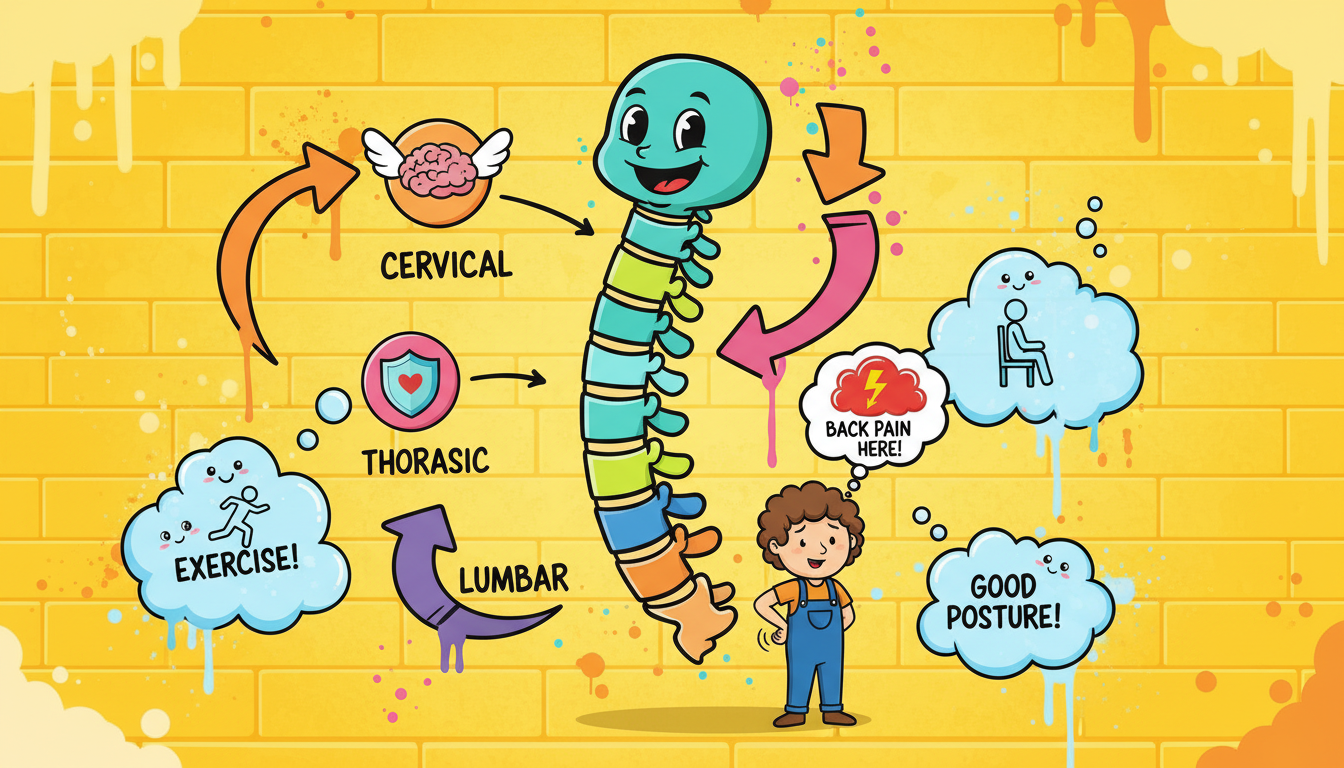
Pain in the middle of the back is often associated with the thoracic region of the spine. This area lies between the cervical (neck) and lumbar (lower back) regions and is where the ribs attach.
Back pain is a common issue that many people experience at different points in their lives. When discussing pain specifically in the middle of the back, it is crucial to understand the anatomy of the spine and the regions involved. The human spine is divided into several key areas, each serving different structural and functional roles.
1. **Cervical Region**: This is the uppermost part of the spine, consisting of seven vertebrae (C1-C7). It supports the head and allows for its movement. Pain in this area is typically associated with neck issues rather than mid-back pain.
2. **Thoracic Region**: The thoracic spine is located just below the cervical region and consists of twelve vertebrae (T1-T12). This part of the spine connects to the ribs and is responsible for protecting vital organs in the chest, including the heart and lungs. Pain in the thoracic region is often felt as discomfort or tightness in the middle of the back, making it the area most commonly associated with mid-back pain.
3. **Lumbar Region**: Below the thoracic spine is the lumbar region, which comprises five vertebrae (L1-L5). This section is known for bearing the weight of the upper body and is a common site for lower back pain, which is distinct from thoracic pain.
4. **Sacral and Coccygeal Regions**: At the base of the spine, we find the sacrum and coccyx. These areas are not typically associated with middle back pain but can contribute to lower back discomfort and tailbone pain.
Understanding which area of the spine corresponds to various types of pain can help in identifying the cause and seeking appropriate treatment. For instance, thoracic pain can result from poor posture, muscle strain, or even conditions like scoliosis. It’s essential to pay attention to how the body feels and to consult a healthcare professional if pain persists.
In a real-world context, students and office workers often find themselves slouched over desks, leading to discomfort in the thoracic region. Simple changes, such as adjusting chair height, using ergonomic furniture, and taking regular breaks to stretch, can significantly alleviate discomfort. Additionally, exercises that strengthen the core and back muscles can improve posture and reduce the likelihood of thoracic pain.
In summary, when you think of pain in the middle of the back, remember that it is generally associated with the thoracic region, which plays a vital role in supporting the upper body and protecting key organs. By understanding your body better, you can take proactive steps to maintain your spinal health and overall well-being.
Was this answer helpful?