
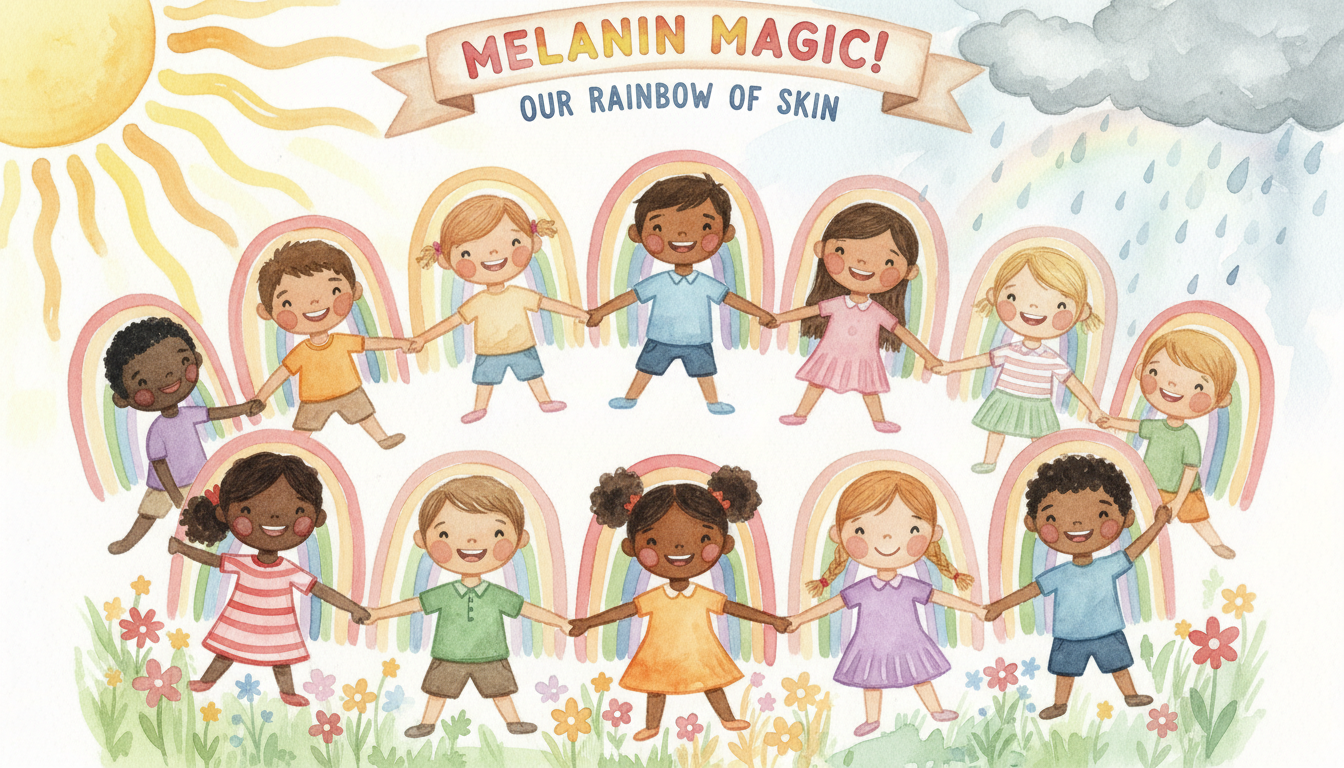
How Does Melanin Influence Skin Color? Understanding the Science
Quick Answer
Melanin is the pigment that determines skin color, with two main types: eumelanin and pheomelanin. Higher levels of eumelanin result in darker skin, while more pheomelanin leads to lighter skin tones.
Melanin plays a crucial role in determining the color of human skin, hair, and eyes. There are primarily two types of melanin: **eumelanin** and **pheomelanin**.
**Eumelanin** is the darker pigment, which appears brown or black. Individuals who produce a higher amount of eumelanin typically have darker skin, hair, and eyes. This is because eumelanin provides greater protection against the harmful effects of ultraviolet (UV) radiation. For instance, individuals from regions with high UV exposure, like equatorial Africa, often have darker skin due to increased levels of eumelanin, which helps to shield their skin from sun damage.
On the other hand, **pheomelanin** is lighter in color, appearing reddish-yellow. Those with more pheomelanin and less eumelanin tend to have lighter skin tones, which is often seen in people of European descent. For example, individuals with red or blonde hair generally have higher levels of pheomelanin.
The amount and type of melanin a person has are largely determined by genetics, but environmental factors also play a significant role. For instance, exposure to sunlight stimulates the production of melanin as a protective response. People living in sunnier locations typically have evolved to produce more melanin to protect their skin from UV radiation.
In addition to genetic predisposition, certain genes, such as the **MC1R gene**, are known to influence melanin production. Variations in this gene can affect how much eumelanin versus pheomelanin is produced, leading to a wide range of skin tones across different populations. Notably, populations in Africa exhibit a diverse array of skin tones but generally have less variation in the MC1R gene due to negative selection against lighter skin, which could lead to increased susceptibility to sunlight.
Understanding melanin and its effects on skin color not only sheds light on human biology but also emphasizes the importance of skin protection from UV rays. Regardless of skin color, it is essential to use sunscreen and take precautions against sun exposure, as everyone is at risk for skin damage and other sun-related health issues.
In summary, the abundance and type of melanin in our skin determine our skin color, and these characteristics are shaped by both genetic and environmental influences. Recognizing this helps us appreciate the diversity of human skin tones and the biological adaptations that have occurred over time.
Was this answer helpful?