
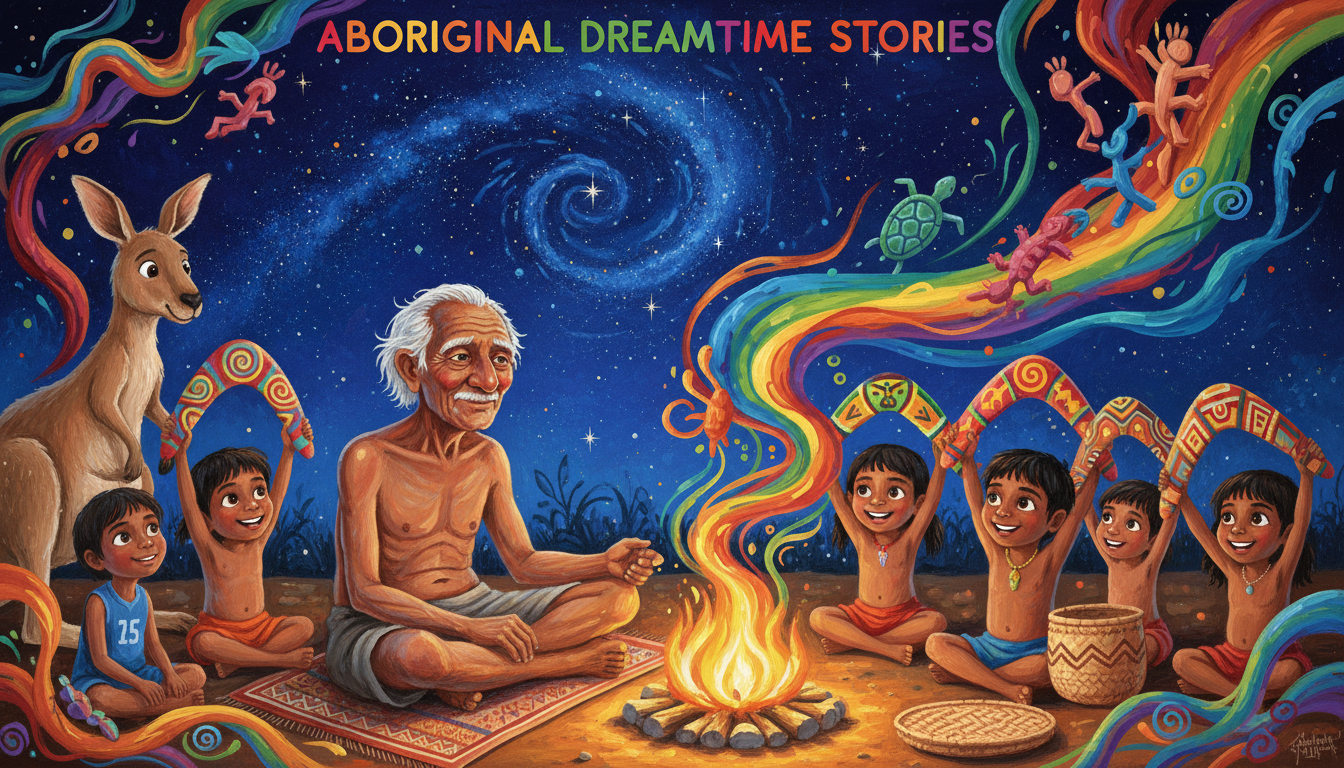
Understanding Aboriginal Culture: True or False Statements
Quick Answer
The statement 'Aborigines do not believe that land belongs to humans' is generally true in the context of Aboriginal beliefs. However, it's essential to understand the cultural nuances behind this perspective.
Aboriginal culture is one of the oldest surviving cultures in the world, with a rich history that reflects a deep connection to the land. The beliefs surrounding land ownership in Aboriginal culture are complex and differ significantly from Western concepts. Many Aboriginal groups see themselves not as owners of the land but as custodians. This means they believe they have a responsibility to care for and maintain the land rather than claim ownership over it.
To illustrate, let’s explore a few statements about Aboriginal culture and clarify their accuracy:
1. **It is the oldest surviving culture on Earth.**
Historians and archaeologists widely agree that Aboriginal cultures in Australia are among the oldest continuous cultures on the planet, dating back over 60,000 years. This statement is true and highlights the significance of Aboriginal heritage in understanding human history.
2. **Traditional Aborigine societies formed agricultural settlements.**
This statement is generally not true. While some Aboriginal groups practiced forms of land management and sustainable practices like fire-stick farming, most were primarily hunter-gatherers. They adapted to their environments, moving according to seasonal changes and the availability of resources. This nomadic lifestyle allowed them to thrive in diverse Australian landscapes without the need for fixed agricultural settlements.
3. **Aborigines do not believe that land belongs to humans.**
This statement reflects a fundamental aspect of many Aboriginal belief systems. In these cultures, the connection to land is spiritual and communal. The land is often viewed as a living entity, and people are seen as part of the land rather than its owners. This perspective emphasizes respect for the environment and highlights the importance of preserving natural habitats for future generations.
Understanding these cultural beliefs is crucial for appreciating the diversity of human experiences and the varied ways societies relate to their environment. In contemporary discussions, these perspectives can inform debates about land rights, environmental stewardship, and cultural preservation. For example, many Aboriginal groups are actively involved in land management practices today, advocating for sustainable methods that align with their traditional knowledge.
In conclusion, comprehending Aboriginal culture requires an open mind and a willingness to engage with its complexities. By exploring these statements, students can gain insight into the values and beliefs that shape Aboriginal identity and their relationship with the land. Learning about such cultures enriches our understanding of global diversity and humanity's shared history.
Was this answer helpful?