
What is the History of Religious Tracts and Their Impact?
Quick Answer
Religious tracts, often short booklets or leaflets, began appearing prominently in the 1800s to spread faith and moral beliefs. They continue to be used today for outreach by various Christian groups.
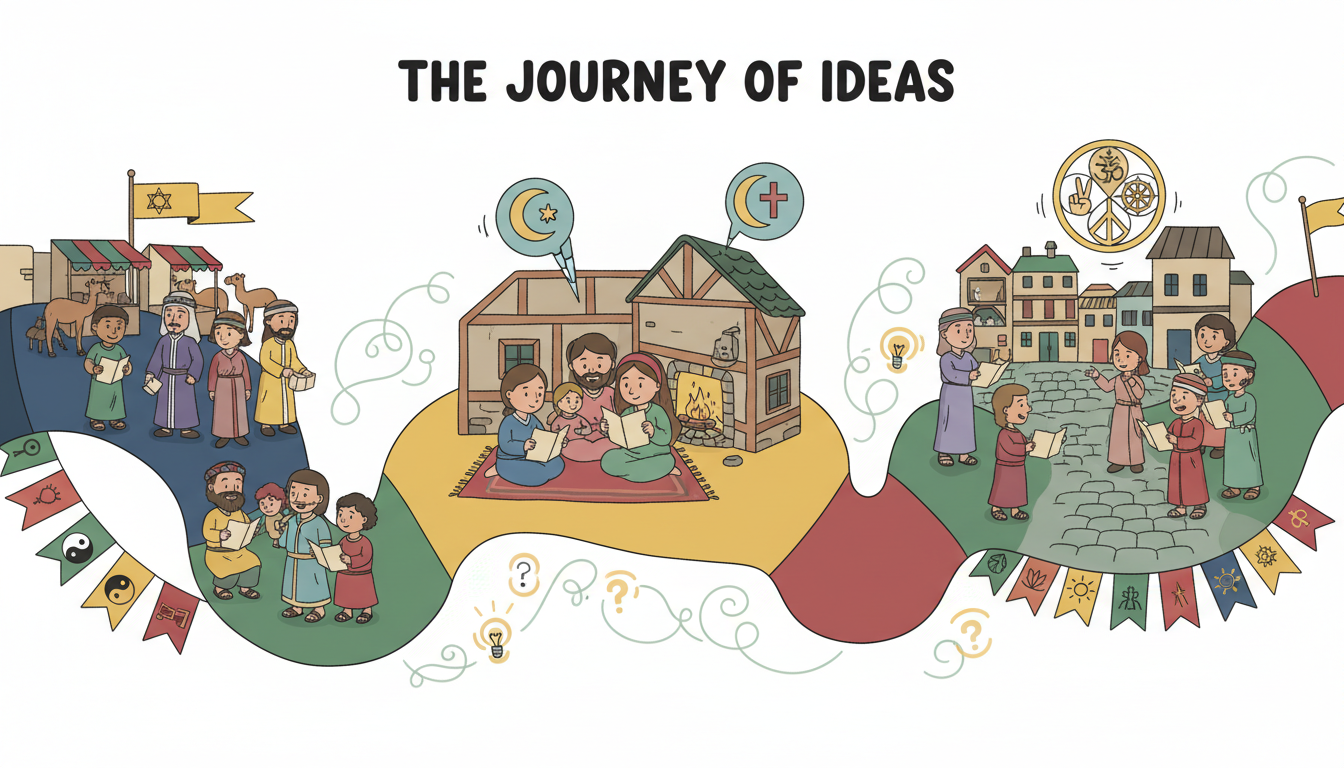
Religious tracts, commonly known as pamphlets or leaflets, have played an essential role in the history of religious outreach, particularly within Christianity. Their primary purpose is to convey a specific message about faith, moral values, or aspects of religious belief. The tradition of using tracts dates back several centuries, but they became notably popular in the 19th century, particularly among Protestant Christians in Europe and America.
The rise of the printing press in the 15th century laid the groundwork for the widespread distribution of written materials, including religious texts. However, it wasn't until the 1800s that tracts gained significant traction as tools for evangelism and education. Groups such as the American Tract Society, established in 1825, were pivotal in this movement, producing and distributing millions of tracts aimed at sharing Christian teachings with the general public.
Tracts are typically concise, often consisting of a few pages, making them easy to read and distribute. They often pose thought-provoking questions, encouraging individuals to reflect on their beliefs. A common example is the question, "How do you view the Bible?" This question invites readers to consider their relationship with the scripture and prompts further exploration of their faith.
The use of tracts has evolved over time. In the past, they were primarily used in face-to-face evangelism, with individuals handing them out in public spaces or door-to-door. Today, while many groups still distribute paper tracts, digital versions have emerged, allowing for even broader reach through social media and websites.
Various Christian denominations have embraced the use of tracts, including Jehovah's Witnesses, who are well-known for their door-to-door outreach, and Evangelical churches, which often use tracts as part of their mission work. The simplicity and portability of tracts make them an effective tool for spreading messages of faith and morality quickly and efficiently.
In contemporary society, tracts remain relevant as they adapt to modern communication methods. While their core purpose remains unchanged, the format and delivery have expanded to include videos, online articles, and social media campaigns. This evolution allows religious groups to connect with a diverse audience, utilizing platforms where individuals spend considerable time.
In conclusion, the history of religious tracts illustrates their significance in the realm of faith-based outreach. From their origins in the 1800s to their ongoing presence in today's digital age, tracts continue to serve as a means of sharing spiritual messages and prompting meaningful conversations about belief and morality. Whether in print or online, they remain a vital tool for those seeking to engage with others about their faith.
Was this answer helpful?